
A historic home renovation in Loudoun County means balancing preservation with modern living, and it almost always involves stricter planning, specialized materials, and local approvals that a standard remodel never touches. The exact path depends on whether your property is simply old or formally recognized as historic, because that single distinction shapes everything from your timeline to your material choices.
That difference catches many owners off guard. Two homes on the same road can face very different rules, costs, and design limits. So what actually separates an older home from a preservation-sensitive one, and how does that change the way your project unfolds? Keep reading to see what to expect at each stage.
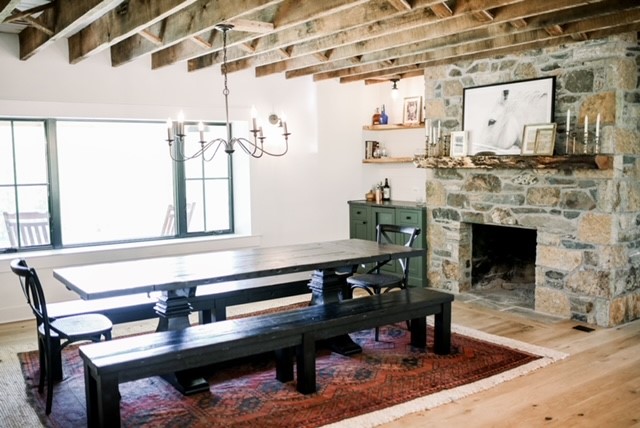
An older home is simply one built decades ago, often with dated systems, worn finishes, and layouts that no longer fit modern life. You can update it with wide freedom. A formally historic or preservation-sensitive property is different. It may sit within a historic district, hold a landmark designation, or fall under local overlay protections. Those homes come with rules about what you can change, especially on anything visible from the street.
This distinction affects five things at once: planning, approvals, materials, scope, and construction strategy. An older home renovation moves largely on your schedule. A protected home requires design review, documentation, and sometimes approval before work begins. Materials may need to match the original in profile, texture, or type. Scope can shift when hidden conditions surface behind aged walls. Strategy changes too, since crews must protect original features while upgrading the parts you cannot see. Knowing which category your home falls into is the first real step in any renovation plan.
Loudoun County holds a rich mix of historic housing stock, from stone farmhouses and rural estates to older farm properties and village homes with genuine period architecture. Renovating these homes calls for a careful reading of what makes each one special, plus a plan that respects both its story and its future. The factors below shape nearly every project in the region:
Preservation starts with knowing what must stay. Original trim, hand-hewn beams, wavy glass windows, and historic masonry often define a home’s value and character. Good historic renovation contractors document these features early, then build a plan that keeps them intact. In Loudoun’s rural estates, that often means protecting fireplaces, staircases, and facades while quietly modernizing everything behind them.
Older Loudoun homes were built with building materials that are hard to replicate today, such as reclaimed heart pine, quarried fieldstone, and lime-based mortar. Matching them matters. Modern cement mortar, for example, can crack soft historic brick. Sourcing period-correct replacements, or salvaging and reusing what exists, keeps the home authentic and structurally sound for the long term.
Much of the real work in historic home restoration happens out of sight. Crews reinforce framing, level settled foundations, and route new electrical, plumbing, and HVAC through walls without disturbing the visible surface. Doing this well takes an experienced architect for historic structures who can design discreet chases and supports that respect original construction while meeting today’s performance standards.
Homes in protected areas must follow historic district renovation rules that govern exterior changes, additions, and material choices. A board or commission typically reviews plans before approval. Strong local knowledge of how these reviews work in Loudoun County smooths the path, since applications that respect district guidelines from the start move faster and face fewer revisions.
A well-planned historic renovation does more than preserve the past. It quietly transforms how the home performs every day. With expert guidance, you get a residence that keeps its architectural integrity while gaining better insulation, safer wiring, updated plumbing, and layouts that suit modern living. The result feels true to its era yet comfortable, efficient, and ready for decades of use.
That balance only happens with disciplined coordination. Careful sequencing protects fragile features during construction. Thoughtful design hides modern systems behind period walls. Code-aware planning keeps the project safe and compliant without stripping away what makes the home special. A full home renovation handled this way improves comfort, safety, and long-term livability, and it protects the property’s value in a market that prizes authentic historic homes.
Approvals shape more than paperwork. They influence your timeline, your scope, and even your design decisions, especially when a project touches anything visible from the outside. Understanding the process early helps you plan realistically and avoid costly surprises once work is underway:
Design review and permitting add time before construction can start. Protected properties may need commission hearings, revisions, and sign-offs. Renovating an old house within a district means building these steps into the schedule so the project stays on track from day one.
Exterior changes, additions, and visible material updates draw the most scrutiny. Reviewers may ask for window profiles, siding, or rooflines that match the original character. Meeting local building codes while honoring these expectations often refines the design, guiding choices that keep the home both compliant and true to its setting.
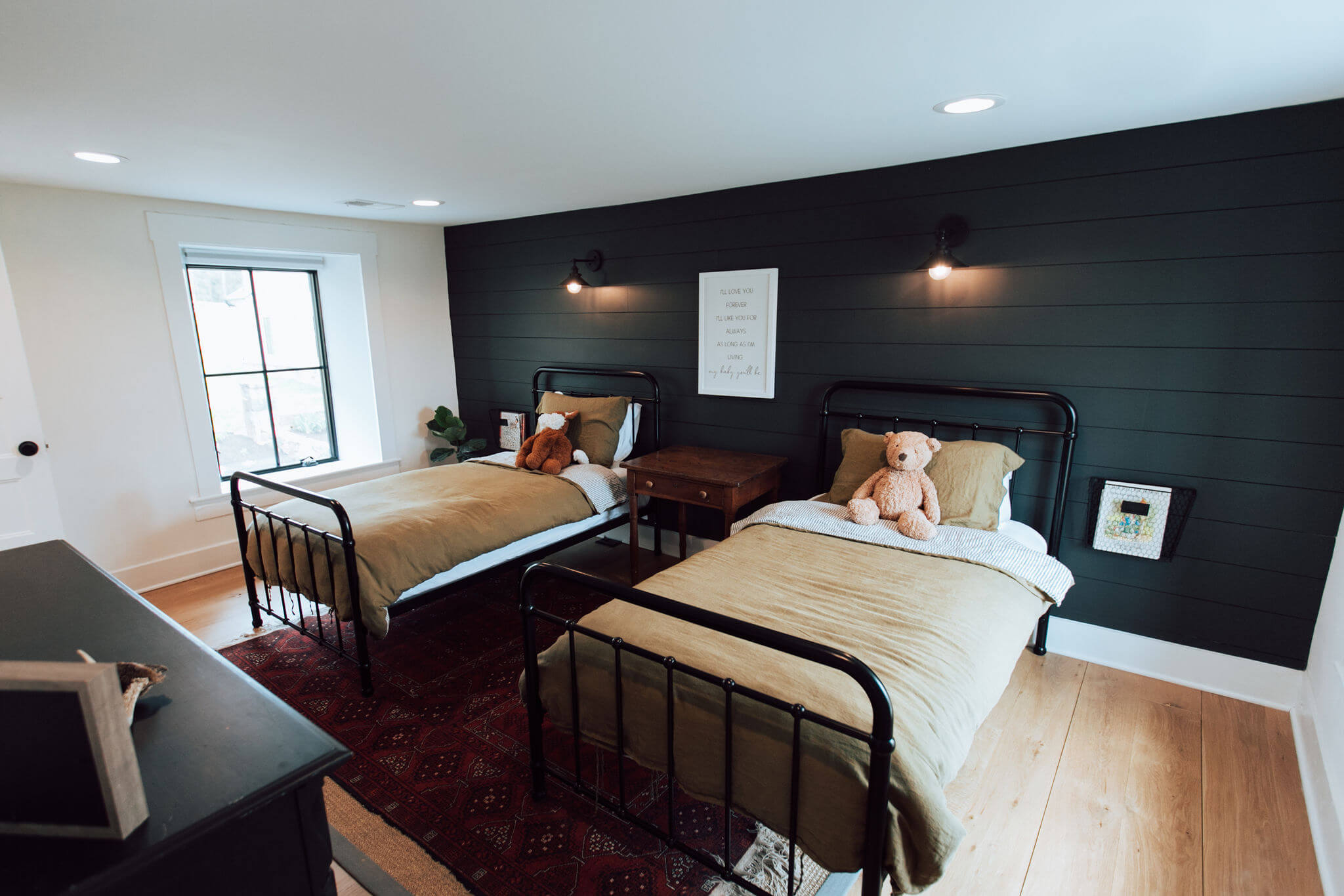
For 15 years, we’ve restored and reimagined homes across Loudoun County and Northern Virginia, and we know this region’s historic character better than anyone. We understand its stone farmhouses, its rural estates, and the review boards that protect them. Working closely with nationally recognized architects and designers, we preserve the details that matter while upgrading the systems that improve daily life.
Whether your home needs sensitive restoration, thoughtful additions, or a complete transformation, we honor its story while building for its future. Explore our historic renovations and custom home building services, and see how we serve homeowners across Leesburg, Middleburg, Hamilton, and the wider Loudoun County area. When you’re ready to begin, reach out through our contact page to start the conversation.
A home is considered historic when it has a landmark designation, sits within a recognized historic district, or falls under local preservation overlays. These homes face specific rules for exterior changes, materials, and additions that standard older homes do not.
Often, yes. Properties in protected districts usually require design review and approval before you begin exterior work. Interior updates may have more flexibility, but visible changes to facades, windows, rooflines, and materials typically need sign-off first.
Timelines vary with scope, home condition, and approvals. Design review and permitting can add weeks or months before construction starts. A clear plan that accounts for these steps early keeps the overall schedule realistic and steady.
Yes. Skilled teams route updated electrical, plumbing, and HVAC through walls without disturbing original surfaces. The goal is modern comfort and safety hidden discreetly behind period features, so the home performs well while keeping its authentic look.
Historic work demands knowledge of preservation methods, period materials, and local review processes. Specialists protect original character, avoid costly missteps with fragile materials, and guide plans through approvals smoothly, all while improving comfort and long-term value.