
You have a vision of what home should feel like: the light, the proportions, the quiet sense that every detail was made for you. What you may not yet know is how that vision becomes a structure you can live in, and how long that journey truly takes. Building a custom home in Loudoun County is not a transaction; it is a considered process, shaped by the land you choose, the depth of your design, and the pace of county approvals. The custom home build timeline moves through five distinct phases.
Below, we break down each phase so you know what to expect and where the time really goes. Some steps you can speed up. Others, like county approvals, run on their own clock. Understanding all five stages helps you plan smart and avoid surprises. Keep reading to see how the whole journey unfolds.

Every project is different, but the path stays the same. Here’s how the phases stack up:
Everything starts with the right lot. This phase covers searching, touring, and evaluating sites before you commit. It sets the tone for your entire dream home.
During site evaluation, you’ll want to check:
Loudoun County has a mix of rural and suburban zoning. A parcel in horse country carries different rules than a lot inside a planned community. Sorting this out early prevents costly detours later.
Once the land is yours, design begins. This is where your ideas turn into drawings. You’ll shape the floor plan, decide how rooms connect, and plan how light moves through the home.
Working with an architect, you refine layouts, elevations, and structure. The interior design direction takes shape here too, from finishes to fixtures to the feel of each room. The more custom your vision, the longer this phase runs. Rushing it leads to changes later, so it pays to take your time.
Permitting is often the least predictable part of the custom home build timeline. In Loudoun County and across Northern Virginia, plans go through county review before construction can start.
The county checks your drawings against building codes, zoning, and site rules. Complex lots, wells, septic systems, or floodplain concerns can add weeks. Getting a full building permit approved may take a few months once plans are submitted. Clean, complete submissions move faster, which is why the design phase matters so much.
With permits in hand, the real building starts. Site preparation comes first, including clearing, grading, and setting up utilities and access.
Construction then moves through clear stages:
Weather, material lead times, and design complexity all shape how long this takes. Larger homes and premium systems naturally add months. Steady project management keeps the work on schedule and the quality high.
The last stretch is about details. You and your builder walk the finished home together and create a punch list of anything that needs a touch-up.
Once every item is handled, the project reaches closeout. Final inspections confirm the home is safe and up to code. Then it’s move-in time. This phase feels quick, but it’s where a great builder proves their care.
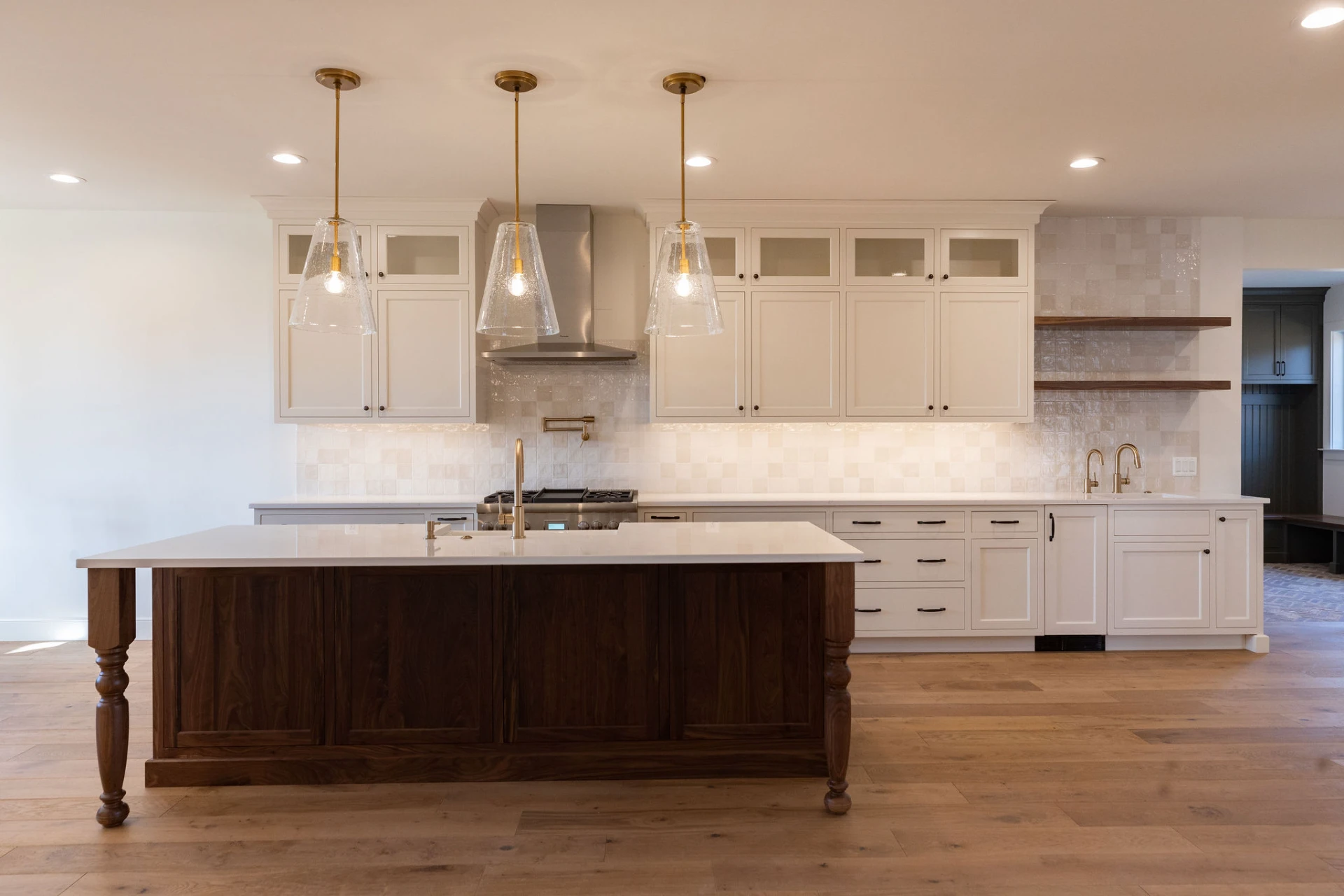
A custom home is a big journey, and the right partner makes all the difference. For 15 years, we’ve built custom homes across Loudoun County and Northern Virginia, a region we know down to its land, zoning, and architecture. Our in-house real estate team helps you find and vet the right lot, while our concierge process guides you from first sketch to final walkthrough. As members of NAHB and NVBIA, we hold every build to standards rooted in honor, craftsmanship, and real care.
We’re proud to be named Best Construction Company in the 2026 Loudoun Times-Mirror Best of Loudoun awards, reflecting the trust our clients place in us. From land search to move-in, we handle the details so you can focus on the vision. Ready to start planning your build? Contact us to schedule your first conversation.
Most custom homes take 18 to 30 months, from land acquisition through the final walkthrough. Design complexity, site conditions, and county permitting timelines all affect the total.
Permitting usually takes 2 to 6 months. Complete, well-prepared plans move faster, while wells, septic systems, or floodplain issues can add extra review time.
Yes. A building permit is required before construction can begin. The county reviews your plans against building codes, zoning, and site rules before approval.
Common delays come from incomplete permit submissions, design changes made late in the process, weather, and long material lead times on premium finishes.
You can save time by finalizing your floor plan and design early, choosing a buildable lot, and submitting clean permit applications. County approvals, however, run on their own schedule.